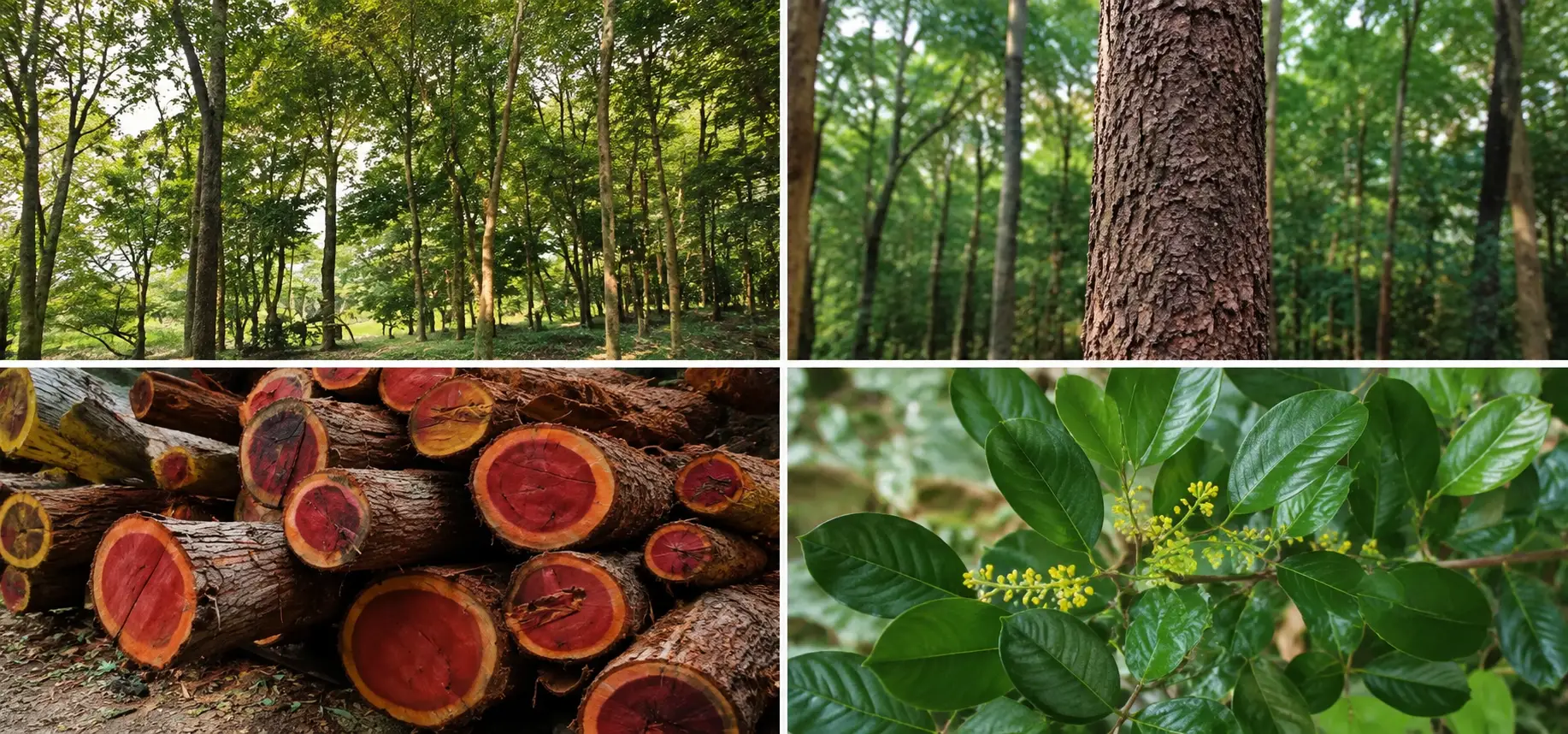
Trees die; honest operators count them. A survival report that admits losses is a trust signal, not a weakness.
Published 2025-12-14, Updated 2026-07-03, By Shree Editorial Desk
Quick answerA tree-survival report records how many planted trees are alive, block by block, over time, and a genuine one admits losses, because some mortality is normal over a 12-year plantation. Counter-intuitively, a report claiming near-perfect survival should raise suspicion, not confidence. This article explains what a credible survival report contains, how to read it, and why an operator who counts and reports losses honestly is more trustworthy than one who promises they don’t happen. Survival reporting is one of the clearest windows into whether a plantation is genuinely managed.
What it should contain
Survival counts by block or project, with dates.
A clear denominator, trees planted vs trees alive.
Notes on causes of loss and any replanting done.
Trends over time, not a single snapshot.
Why honesty about losses matters
Some mortality is normal, establishment failures, pests, weather. An operator who reports realistic survival (and the replanting done in response) is showing you real management. A claim of 100% survival across years is a red flag, not a reassurance.
How to read one
Look for consistency and detail: dated figures, honest causes, and evidence of corrective action (gap-filling). Compare older blocks, where the real story shows. Vague or suspiciously perfect numbers deserve hard questions.
Part of your diligence
Survival reports sit alongside deeds, financials and site visits in the verification checklist. For the wider red flags, see our guide to spotting a scam.
SH
Shree Editorial Desk
Shree Properties & Projects, editorial
Run the ten checks on us
Request the due-diligence pack and hold us to this guide.