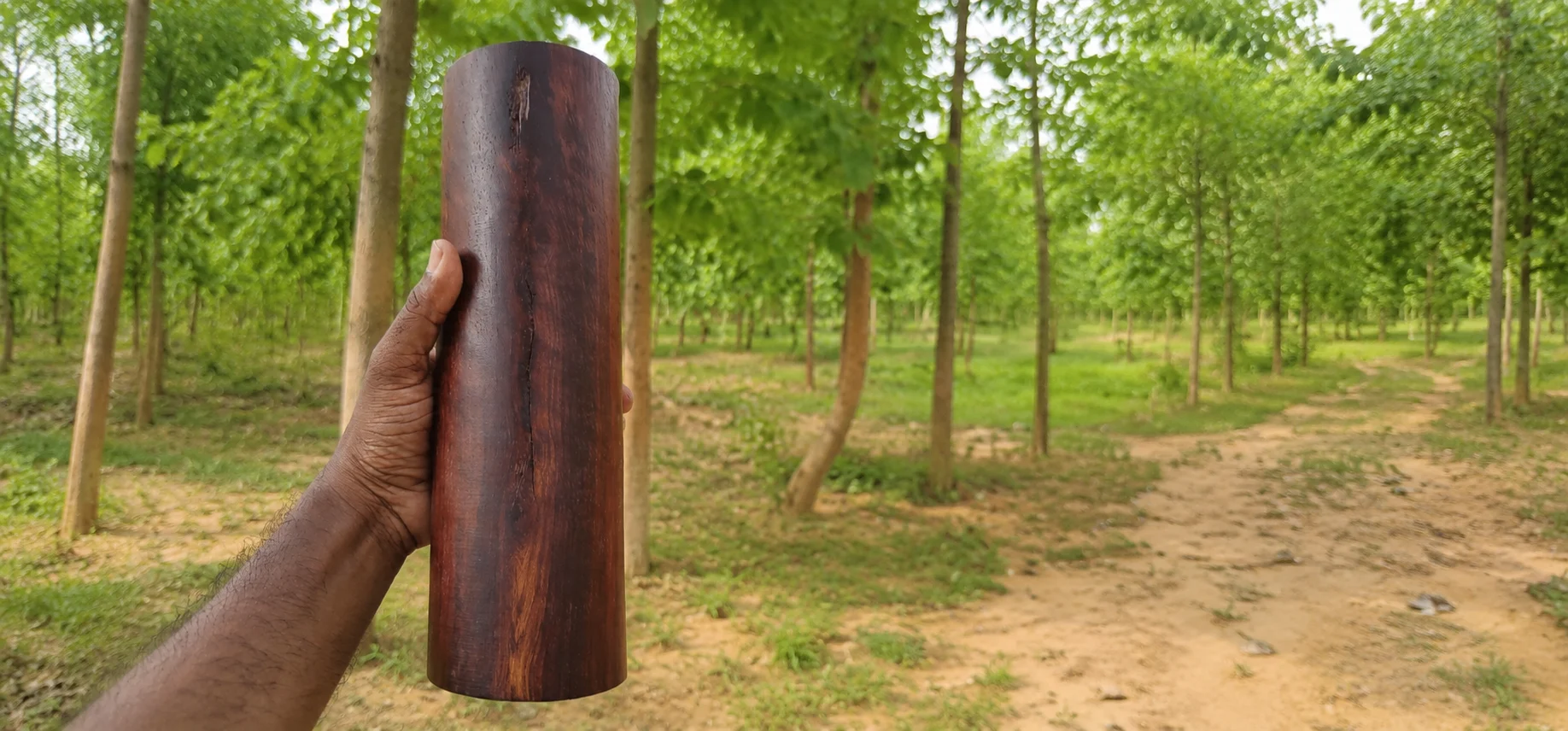
Counter-intuitively, removing some trees over time can improve the value of those that remain. The logic of thinning.
Published 2024-09-03, Updated 2026-07-05, By Shree Editorial Desk
Quick answerThinning, selectively removing some trees as a plantation matures, can seem counter-intuitive, but it’s a recognised forestry practice: giving the remaining trees more room, light and resources can improve their growth and timber quality. Whether and how thinning is applied depends on the plantation’s density, growth and management plan. This article explains the logic of thinning in plain terms and why "more trees" is not automatically "more value." It is general forestry orientation, not a prescriptive regime, and any thinning is a management decision for the operator.
The counter-intuitive idea
Removing some trees to benefit the rest sounds odd, but it’s standard forestry thinking: fewer, better-spaced trees can access more light, water and nutrients, improving the growth and quality of those that remain.
Why it can raise value
Remaining trees get more resources and room to develop.
Quality and heartwood development can benefit over the long term.
Value in red sandalwood is grade-driven, quality can matter more than count.
It depends on the plan
Whether thinning is used, and when, depends on planting density, growth and the management plan. It is a deliberate decision, not a fixed rule, and not every plantation thins.
The takeaway
More trees is not automatically more value, quality matters. This is why grade drives price. See grading red sandalwood and our methodology. General orientation, not a prescriptive regime.
SH
Shree Editorial Desk
Shree Properties & Projects, editorial
Run the ten checks on us
Request the due-diligence pack and hold us to this guide.