
Science

Santalin: The Pigment That Makes Red Sandalwood Red

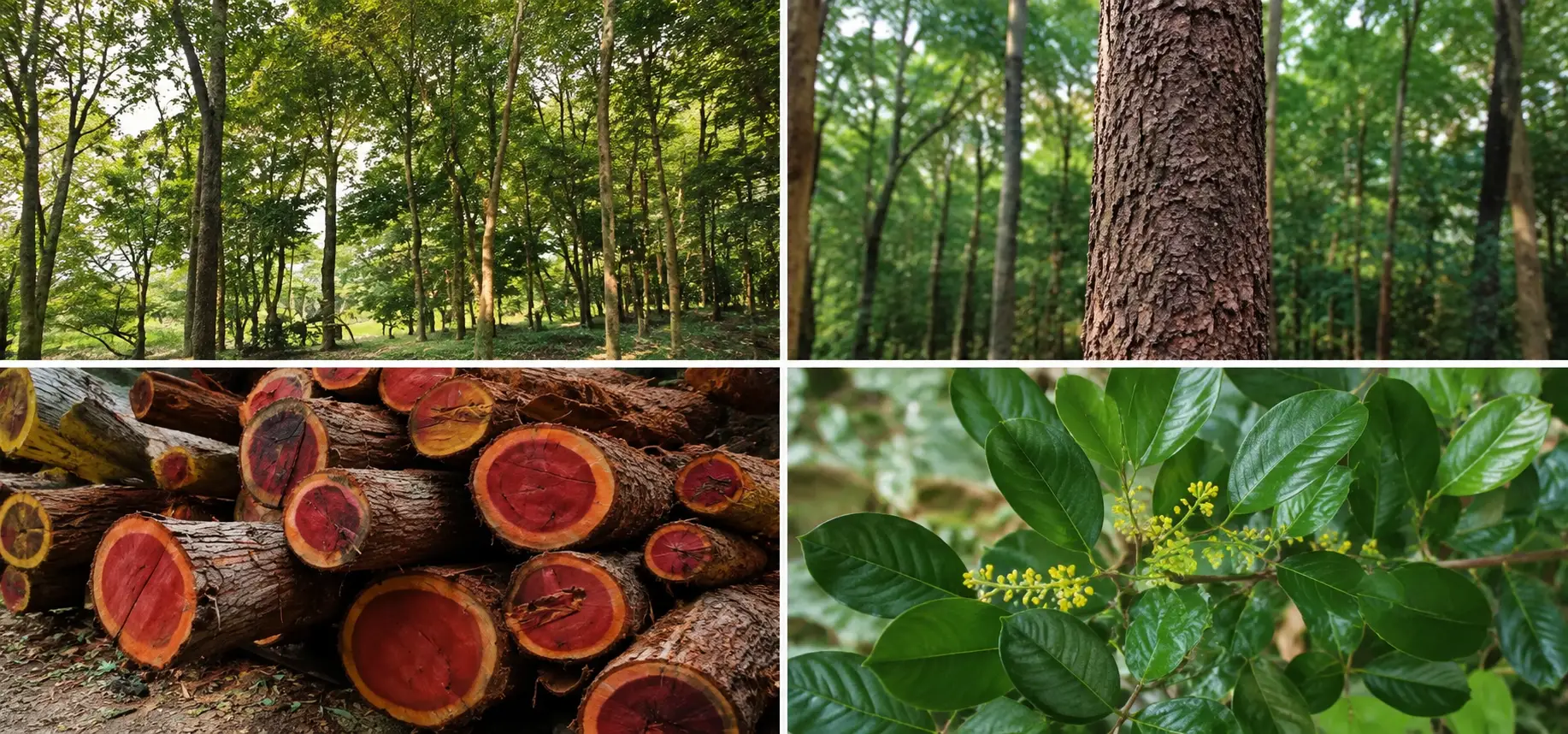
The deep red of the heartwood comes from specific natural pigments. Understanding them explains part of the wood’s value.

Published 2025-03-25, Updated 2026-07-08, By Shree Editorial Desk

Quick answerThe striking deep red of red sandalwood heartwood comes largely from natural pigments known as santalins (santalin A and B). These compounds are why the wood has historically been valued as a natural colourant as well as a timber, and their concentration in the heartwood is part of why the heartwood, not the pale sapwood, holds the value. This article explains, in plain terms, what gives red sandalwood its colour and why that chemistry connects to both its uses and its investment logic.
Santalin: The Pigment That Makes Red Sandalwood Red

Where the red comes from

The heartwood’s colour comes largely from natural pigment compounds called santalins (notably santalin A and B). These are concentrated in the mature heartwood, giving it the deep red that distinguishes the species.

Why it connects to value

  • The pigments have historically made the wood valuable as a natural red colourant.
  • They concentrate in heartwood, not the pale sapwood, reinforcing why heartwood holds the worth.
  • Colour and density together drive grading and demand.

Colour and maturity

Because the valuable pigments and density build up in heartwood as the tree matures, the chemistry mirrors the investment timeline: value accumulates slowly with heartwood. See sapwood vs heartwood for that connection.

A note on accuracy

This is a plain-language summary of well-established wood chemistry, not a technical paper. For the growth science behind heartwood, see our research note on growth and heartwood formation.

Shree Editorial Desk
Shree Properties & Projects, editorial

Run the ten checks on us

Request the due-diligence pack and hold us to this guide.

WA