Red Sandalwood Smuggling, and Why Legal Cultivation Matters
The illegal trade is real and well-documented. Understanding it explains both the regulation and the case for legal plantations.
Published 2025-05-27, Updated 2026-07-10, By Shree Editorial Desk
Quick answerRed sandalwood’s high value and limited wild supply have driven a persistent illegal trade, smuggling of wild-harvested timber out of its protected range, met by enforcement, seizures and strict regulation. This context is essential to understanding why the wood is so tightly controlled and why legal, documented cultivation matters: it offers a lawful supply that can meet demand without stripping protected wild forests. This article addresses the illegal trade honestly and explains how legitimate plantations position themselves clearly on the right side of that line.
A real and persistent problem
The gap between high demand and scarce wild supply has fuelled a well-documented illegal trade in red sandalwood, smuggling of protected wild timber, countered by enforcement and seizures. This is the backdrop to the wood’s strict regulation.
Why regulation is so tight
CITES protection, Forest Department control of harvest and transit, and export restrictions all exist in large part because of this illegal-trade pressure. The rules are strict for a reason.
The case for legal cultivation
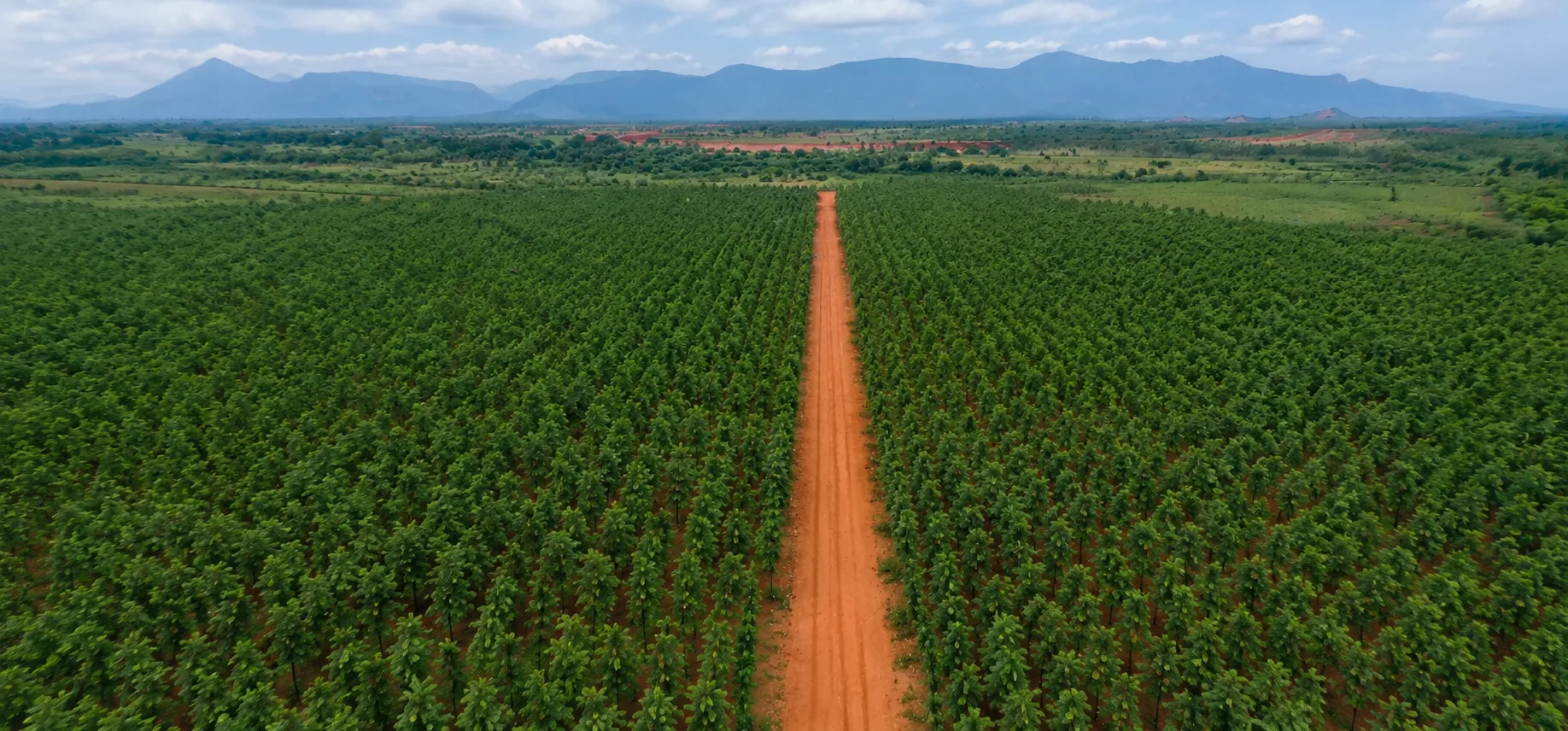
Documented plantations offer lawful supply to meet demand.
That can reduce the economic pull toward illegal wild logging.
Clean provenance keeps legitimate investors clearly within the law.
Staying on the right side
For investors, the lesson is to insist on documentation and legality at every step, the opposite of the shadow trade. See plantation-grown vs wild and our compliance page.
SH
Shree Editorial Desk
Shree Properties & Projects, editorial
Run the ten checks on us
Request the due-diligence pack and hold us to this guide.