Plantation-Grown vs Wild Red Sandalwood: The Legal Difference
Where the wood comes from changes everything, legally and ethically. The distinction every buyer should understand.
Published 2025-05-06, Updated 2026-07-10, By Shree Editorial Desk
Quick answerThere is a crucial difference between wild-harvested and plantation-grown red sandalwood. Wild trees, from the species’ protected natural range, have faced severe illegal logging and are tightly protected; legally cultivated plantation timber, documented from planting to harvest, is the lawful route to market. For investors and buyers, provenance is not a detail, it determines legality. This article explains the distinction, why documented cultivation matters, and why the paper trail from your plantation is central to a clean, lawful eventual sale.
Two very different sources
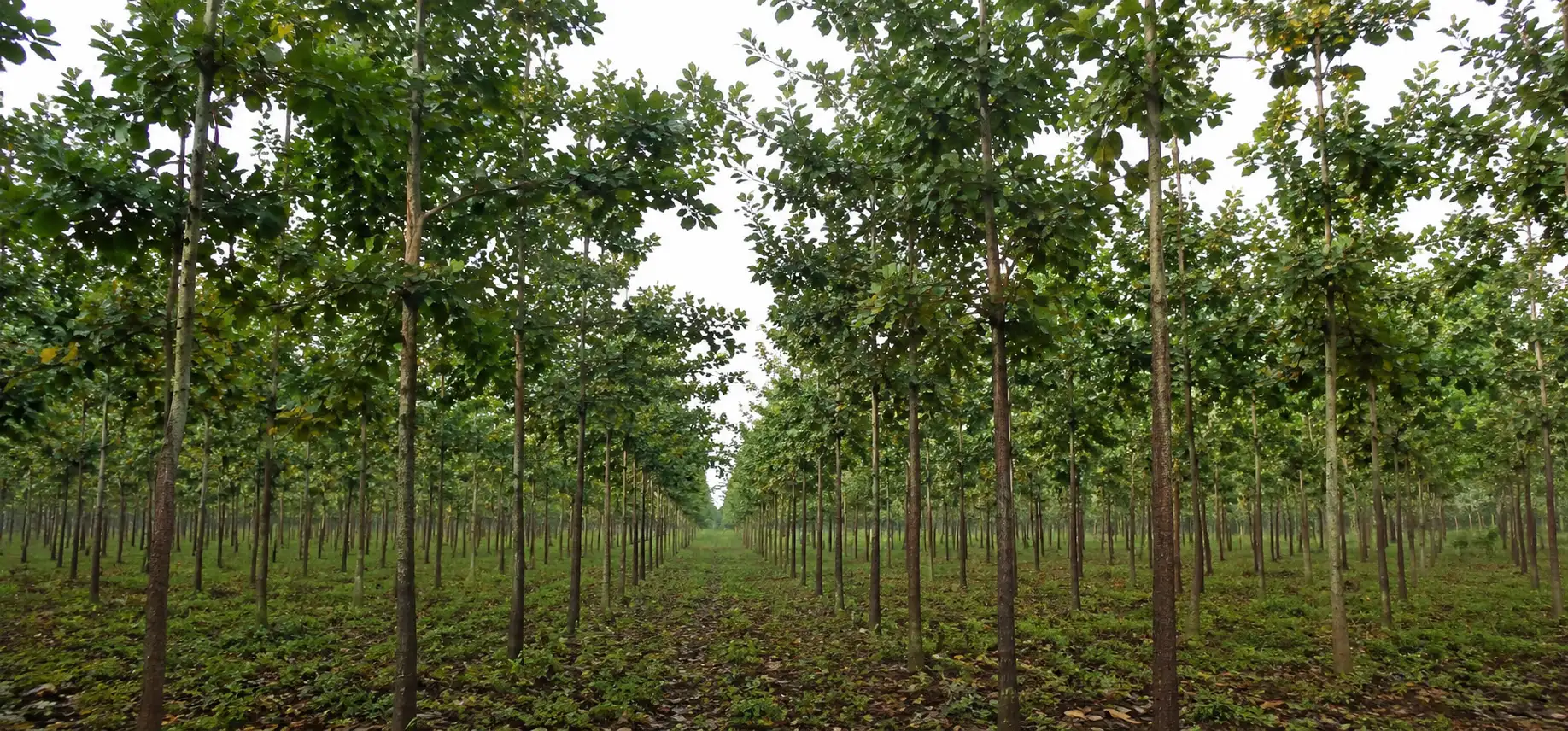
Wild red sandalwood comes from the protected natural range and has been the target of serious illegal logging; it is tightly protected. Plantation-grown timber is deliberately cultivated on private land and, when properly documented, is the lawful path to market.
Why provenance is legality
Wild, undocumented timber is associated with illegal trade.
Plantation timber with a clean record from planting to harvest is the compliant route.
Documentation is what proves your timber’s lawful origin.
The role of your paper trail
This is why registration, survey records and plantation documentation matter so much: they establish that your timber is cultivated and lawful. A documented plantation is built precisely to make eventual harvest and sale clean.
The ethical dimension
Legal cultivation also relieves pressure on wild stands, the honest environmental case. See our articles on legal status and sustainability.
SH
Shree Editorial Desk
Shree Properties & Projects, editorial
Run the ten checks on us
Request the due-diligence pack and hold us to this guide.