
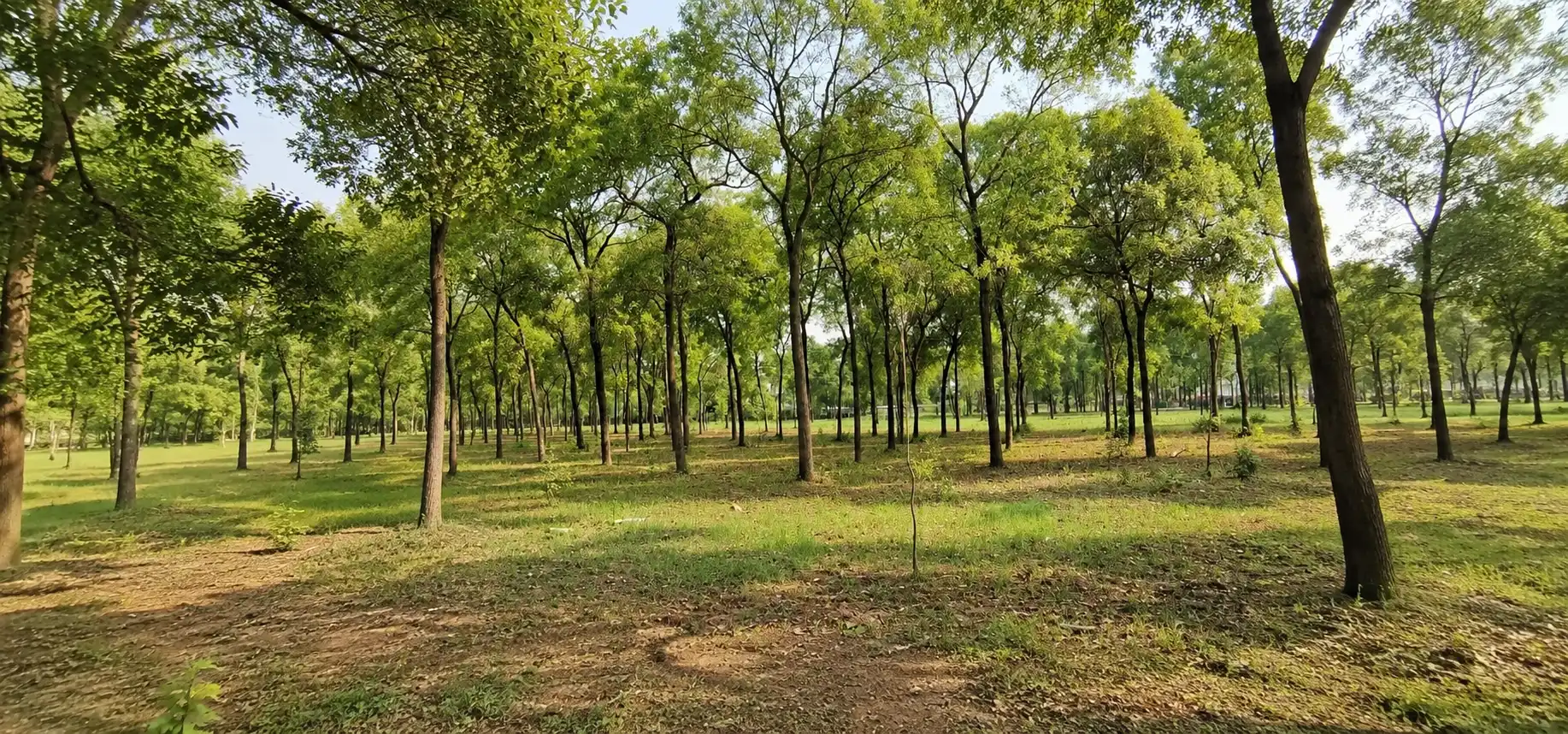
The genuine case
- Legal cultivated supply can reduce the economic incentive for illegal wild logging.
- Wild red sandalwood has faced serious pressure; documented plantations offer a lawful alternative.
- Tree cover contributes carbon sequestration and can improve degraded land.
The honest caveats
A managed monoculture plantation is not ecologically equivalent to natural forest, biodiversity differs. In semi-arid districts, irrigation and water use deserve scrutiny. And "sustainable" or "ESG" are marketing-friendly words; they mean something only when backed by real practices you can verify.
How to judge a plantation’s claims
Ask what specifically makes an operation sustainable: water management, soil practices, legality of supply, community employment. Vague green language without specifics is a signal to probe harder, the same verification instinct that protects you financially applies here.
Our position
We think the strongest environmental argument for cultivated red sandalwood is the legal-supply one, and we’d rather state the caveats than overclaim. Read our uses and demand and legal status pages for the wider context.