What “Certified Sapling Stock” Should Actually Mean
Planting material quality shapes the whole plantation. Here’s what to look for beyond the marketing word “certified”.
Published 2026-02-02, Updated 2026-06-18, By Shree Editorial Desk
Quick answerThe quality of planting material affects everything downstream, establishment, growth form, and ultimately heartwood development. “Certified stock” is a reassuring phrase, but it only means something if it points to real practices: healthy, well-raised seedlings from good seed sources, hardened off before planting, and free of obvious disease. This article explains what genuine quality looks like and the questions that separate real standards from a marketing label, because a plantation built on poor stock cannot be fixed later.
Why planting material matters so much
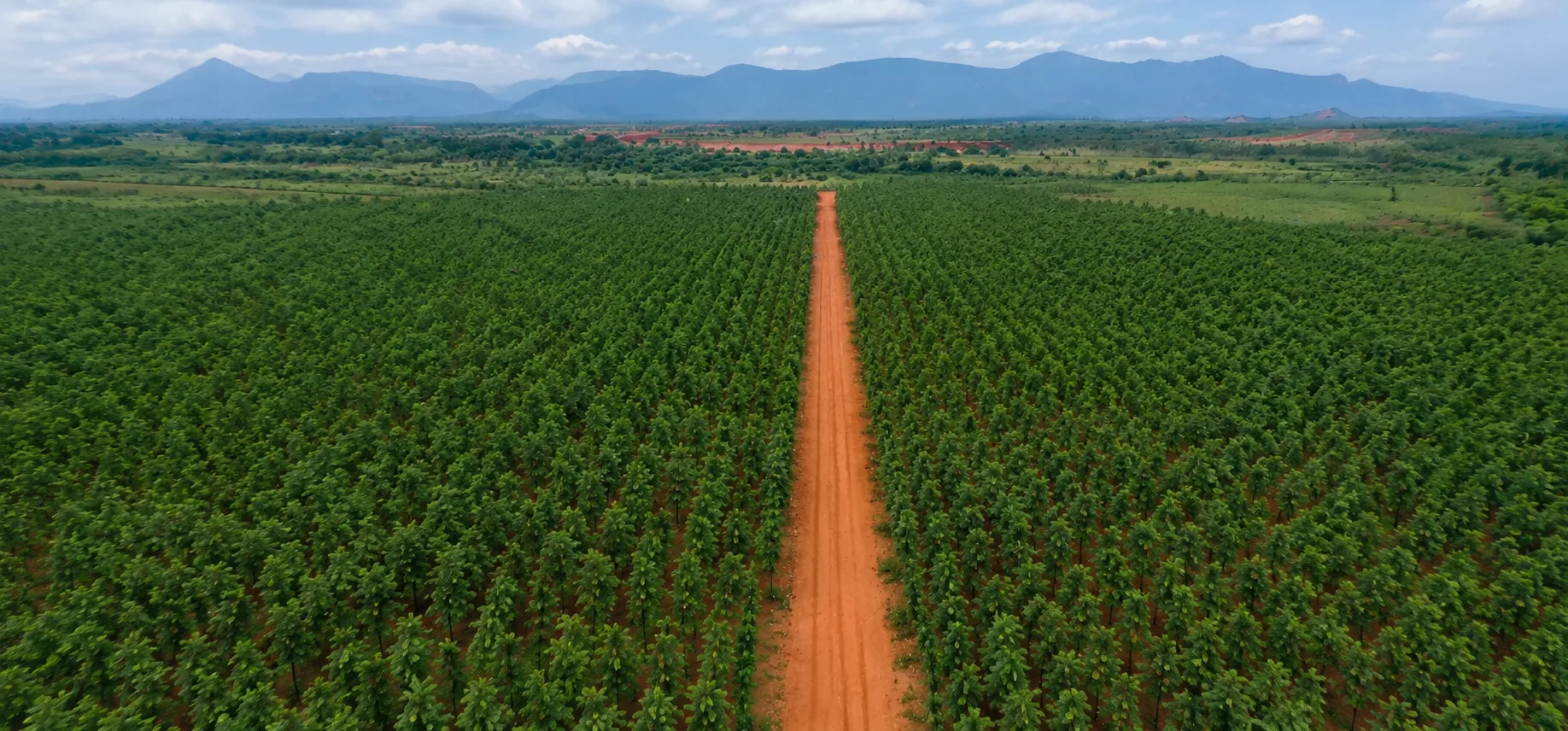
A red sandalwood plantation is a 12-year-plus commitment, and it starts from the seedling. Poor stock, weak, diseased, or poorly raised, compromises establishment and growth in ways no amount of later care fully corrects.
What genuine quality looks like
Seedlings raised from sound seed sources, healthy and vigorous.
Properly hardened off before field planting.
Free of visible disease and pest damage.
Consistent, so blocks establish evenly.
Beyond the word “certified”
“Certified” only means something if the operator can explain what standard it refers to and show you the nursery or supplier. A vague claim with nothing behind it is just a word.
What to ask
Ask where the saplings come from, how they’re raised, and whether you can see young blocks planted from that stock. This is part of the same verification discipline that protects you everywhere else, see our methodology page.
SH
Shree Editorial Desk
Shree Properties & Projects, editorial
Run the ten checks on us
Request the due-diligence pack and hold us to this guide.