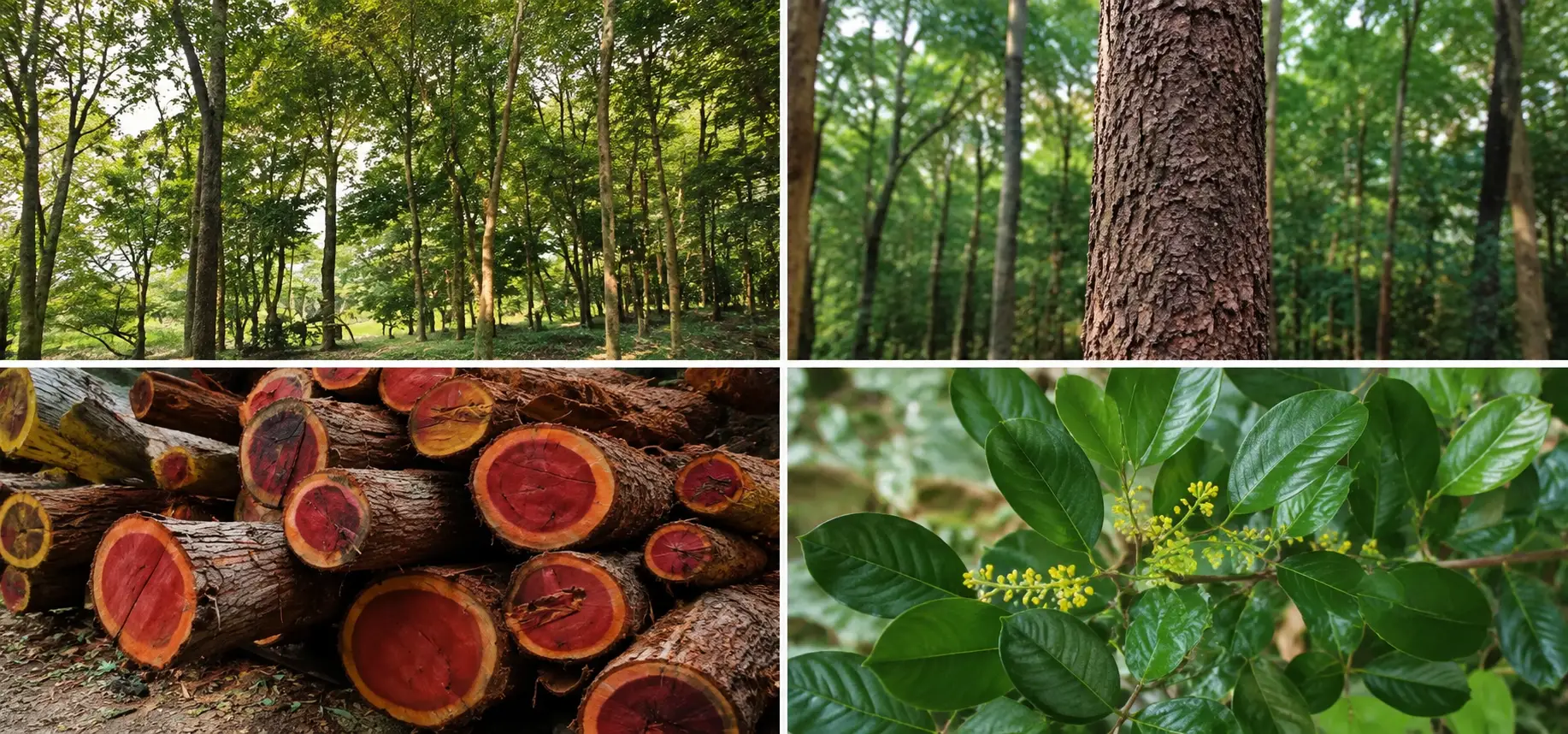
Water Stewardship in Semi-Arid Red Sandalwood Plantations
Growing trees in dry districts raises a fair question about water. The honest answer is about efficiency and responsibility, not slogans.
Published 2025-10-01, Updated 2026-07-10, By Shree Editorial Desk
Quick answerRed sandalwood grows in semi-arid districts, so water use is a fair and important question. The honest position is that the species is drought-hardy once established and needs the most support only in its early years, and that efficient delivery, drip irrigation to the root zone, minimises waste. But responsibility also means being realistic about groundwater in water-stressed areas. This article addresses water stewardship candidly: what makes the crop relatively efficient, and where genuine care is required, without pretending a plantation has no water footprint.
A drought-hardy species helps
Red sandalwood is adapted to semi-arid conditions and becomes notably drought-hardy once established. Its heaviest water needs are concentrated in the first few years, not across the whole horizon.
Efficiency by design
Drip irrigation delivers measured water to the root zone, cutting waste.
The species’ drought tolerance reduces long-run irrigation demand.
Good drainage practice avoids the over-watering that both harms trees and wastes water.
The honest caveat
In water-stressed districts, any agricultural water use deserves scrutiny. Responsible operators plan around sustainable water sources and don’t pretend the footprint is zero. Ask about the water source for a plantation, not just the irrigation method.
Judging the claims
Vague "eco-friendly" language means little; specifics about water source and efficiency mean something. See land selection, where water is one of the five gates, and our broader sustainability article.
SH
Shree Editorial Desk
Shree Properties & Projects, editorial
Run the ten checks on us
Request the due-diligence pack and hold us to this guide.