The Andhra Pradesh Agroforestry Framework, Explained
Why cultivating red sandalwood on private farmland is permitted, and where regulation still applies.
Published 2026-04-02, Updated 2026-07-02, By Shree Editorial Desk
Quick answerCultivating red sandalwood on private patta land in Andhra Pradesh is permitted under the state’s agroforestry approach, which encourages tree growing on farmland. What remains regulated is the later stage, felling, transit and sale of the timber, handled by the Forest Department, plus international trade under CITES. Understanding where cultivation is allowed and where permissions kick in is essential for any investor. This article explains the framework in plain language and points to the primary sources, without overstating what any single page can tell you about a shifting regulatory area.
Cultivation on private land is permitted
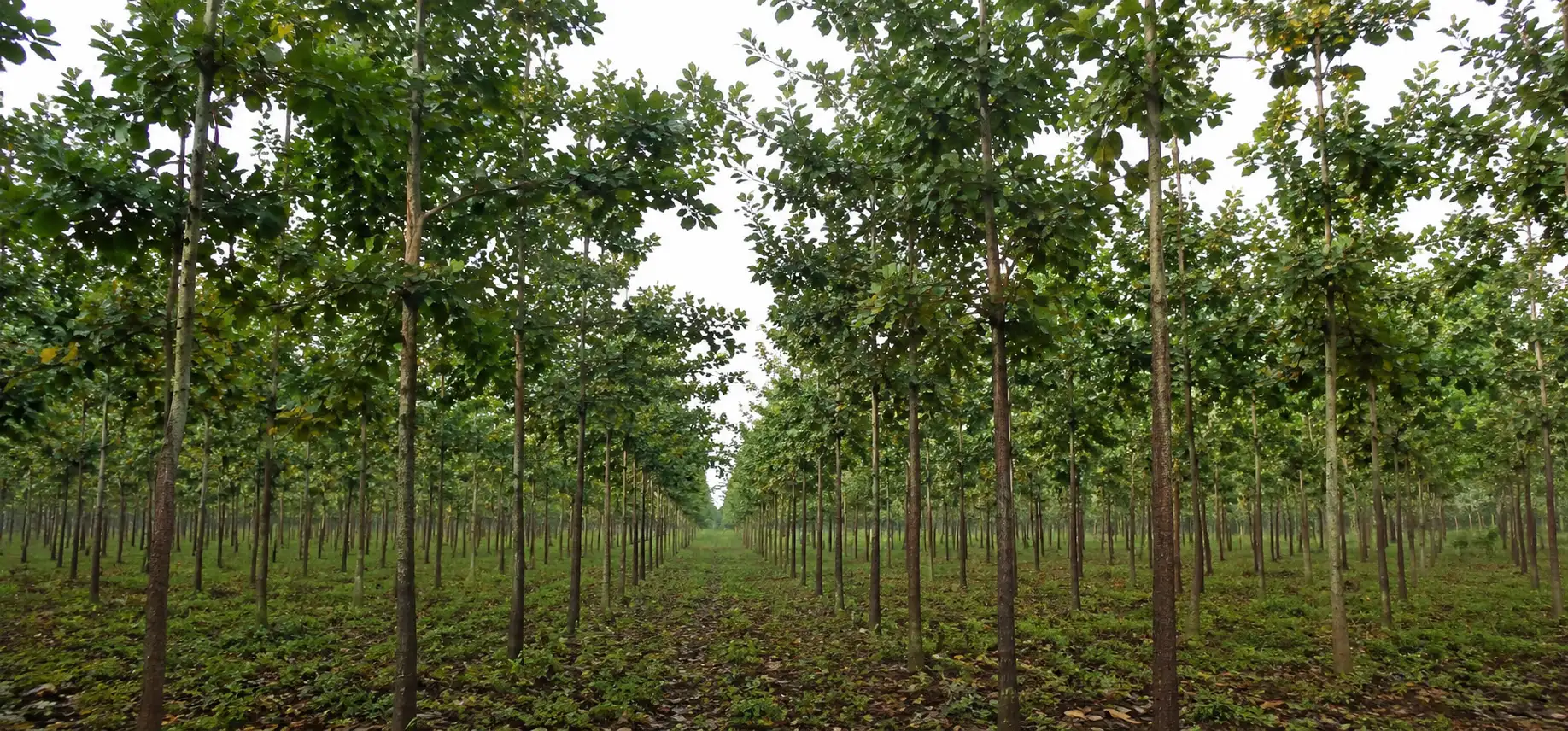
Andhra Pradesh’s agroforestry approach supports growing trees, including red sandalwood, on private patta farmland. The cultivation itself is not the regulated bottleneck, it’s encouraged as a farm activity.
Where regulation applies
Harvest and transit of the timber are governed by Forest Department rules.
Exports are controlled under CITES Appendix II and DGFT policy.
Documentation and registration underpin lawful harvest and sale.
Read the primary sources
Regulatory detail changes over time, so confirm the current position with primary sources, the AP Forest Department for state rules, and our research center for the CITES/DGFT layer, rather than relying on any summary as final.
Why this favours documented plantations
Because harvest and trade hinge on legality and documentation, cultivated plantations with clean records are the compliant route to market. See our legal status and compliance pages, and remember the separate SEBI/CIS question for pooled schemes.
SH
Shree Editorial Desk
Shree Properties & Projects, editorial
Run the ten checks on us
Request the due-diligence pack and hold us to this guide.